
Ask Us About Our Financing Options!
Retaining Walls in Longview for Properties with Slopes, Erosion, or Uneven Terrain
Soil Control That Stops Erosion Permanently
Slopes that wash out after every heavy rain, yards where soil slides toward foundations, and terraced properties that lose usable space to unstable ground all point to the same problem—soil moves when nothing holds it in place. A retaining wall changes that by creating a permanent barrier that holds soil at a designed elevation, prevents erosion from undermining structures or landscaping, and converts unusable slopes into level, functional areas. Eneca Concrete & Construction builds retaining walls throughout Longview for residential and commercial properties where soil stability and landscape usability need structural solutions.
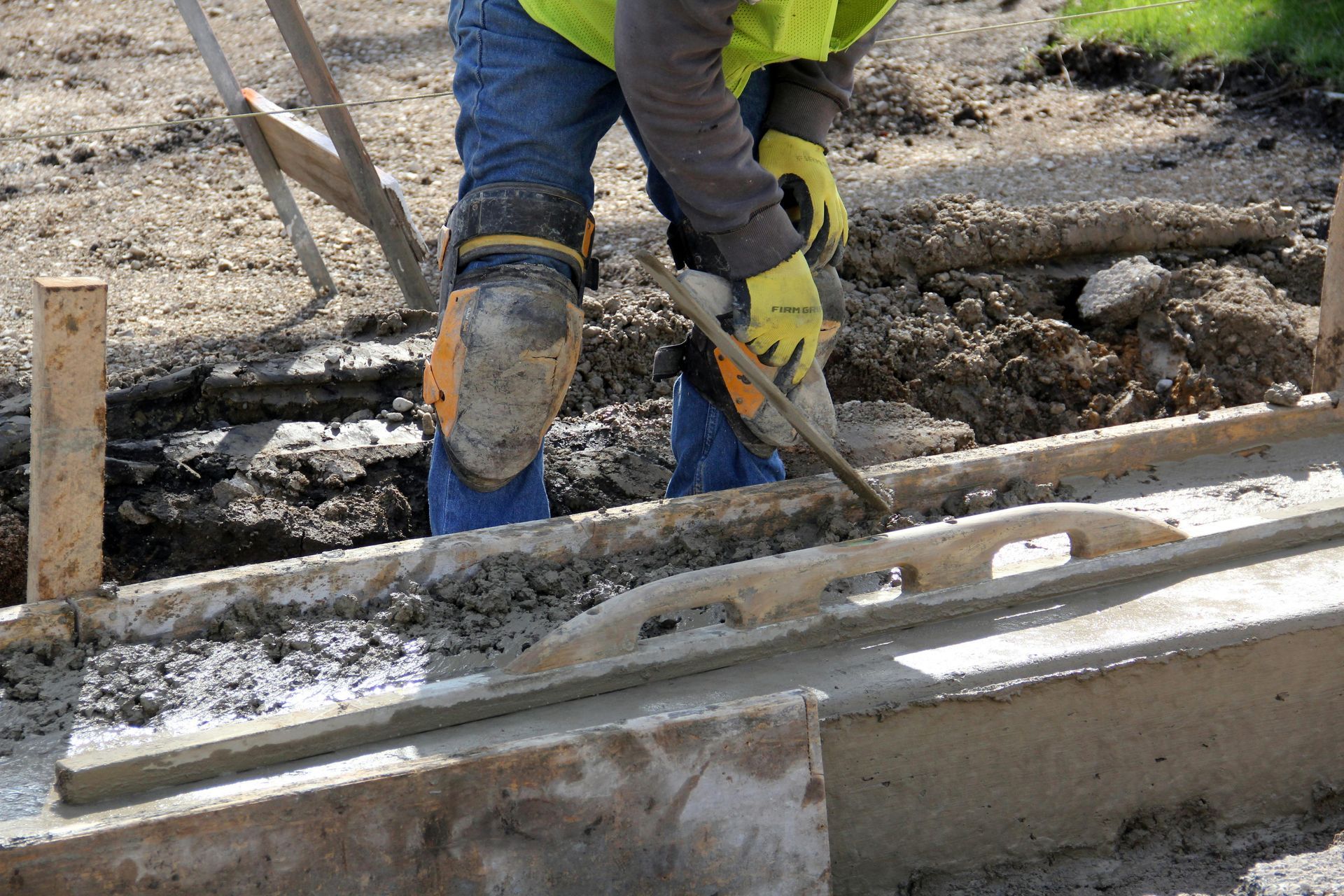
Construction begins with excavation and footer placement to anchor the wall below grade, followed by reinforced concrete or masonry construction that resists lateral soil pressure and prevents the wall from leaning or failing over time. Drainage systems behind the wall prevent water buildup that would increase pressure and destabilize the structure, and the wall height and thickness are engineered based on the slope and soil type being retained.
Evaluate and design a solution with a property assessment that identifies slope conditions, drainage needs, and structural requirements.
Why Retaining Walls Work for Slope Management
Soil on a slope constantly moves downhill under gravity, especially when saturated by rain or irrigation. A retaining wall interrupts that movement by holding the soil at a fixed elevation, which stops erosion, prevents washout, and creates level surfaces above or below the wall for landscaping, driveways, or building pads. The wall must be anchored securely and include drainage to relieve water pressure that builds behind it during storms.
Once installed, you'll see a defined edge where the slope used to wash out, stable ground that no longer shifts or erodes after rain, and usable space where unstable terrain previously limited what you could build or plant. Soil remains in place behind the wall even during heavy rainfall, and water drains through weep holes or behind-wall drainage systems rather than building pressure that would push the wall forward.
Retaining walls can be stacked to create multiple terraces on steep properties, integrated with steps or walkways to connect different elevations, and finished with stucco, stone veneer, or natural concrete depending on aesthetic goals. Wall height and reinforcement are determined by the amount of soil being retained and the slope angle, and footers extend below the frost line to prevent shifting from freeze-thaw cycles.
Common Questions About This Service
Property owners dealing with erosion and slope management in Longview often ask about wall design, drainage requirements, and how the structure holds up to soil pressure and weather exposure over time.
How tall can a retaining wall be before it requires engineering?
Walls over four feet typically require engineered designs and permits to ensure they can handle soil pressure safely, while shorter walls for residential landscaping often follow standard construction practices.
What happens to water that builds up behind a retaining wall?
Drainage systems such as gravel backfill, perforated pipes, and weep holes allow water to escape rather than accumulating behind the wall, which prevents pressure buildup that can cause the wall to lean or fail.
How does clay soil in Longview affect retaining wall construction?
Clay expands when wet and contracts when dry, creating variable pressure on the wall, so proper drainage and reinforcement are critical to prevent movement and cracking as soil moisture changes seasonally.
What's the difference between a retaining wall and a decorative garden wall?
A retaining wall is engineered to resist lateral soil pressure and prevent erosion, requiring footers and drainage, while decorative walls are freestanding and don't hold back soil or manage slopes.
How long does a properly built retaining wall last?
Concrete retaining walls with adequate drainage and reinforcement last decades without significant maintenance, though surface finishes may weather over time depending on exposure and sealing.
Eneca Concrete & Construction analyzes slope conditions, soil type, and drainage patterns to design retaining walls that stabilize terrain and improve property usability. Contact the team to schedule a site evaluation and discuss structural options for your property.