
Ask Us About Our Financing Options!
Concrete Patios in Longview for Backyards Needing Functional Outdoor Living Space
Outdoor Surfaces Built for Daily Use
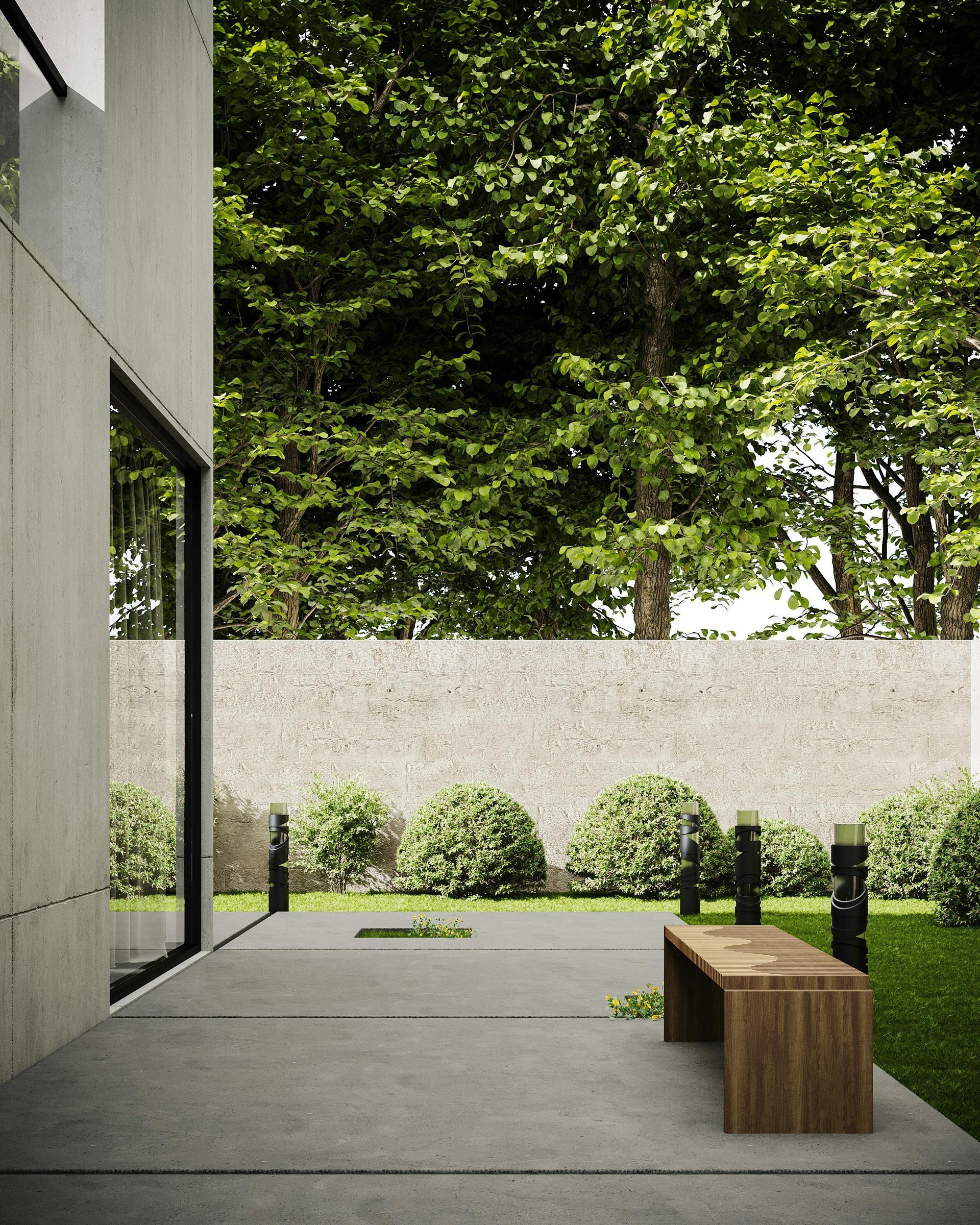
Eneca Concrete and Construction builds concrete patios in Longview designed around how you actually use your backyard, whether that means space for seating arrangements, grilling stations, or areas that handle foot traffic from kids and pets. The layout process starts with measuring existing grade and drainage patterns to determine where water moves across your property, then developing a custom design that directs runoff away from the house while creating level surfaces where you need them. You end up with a poured surface that defines your outdoor space without requiring the ongoing maintenance that pavers or wood demand.
The work involves excavating to proper depth, compacting base material to prevent settling, and pouring concrete in sections with control joints that manage cracking as temperatures shift between East Texas summers and winter freezes. Custom layouts account for existing landscaping, utility locations, and how the patio connects to doorways or existing hardscaping. Each project uses reinforcement appropriate to soil conditions and expected load, with finishes ranging from broom texture for slip resistance to stamped patterns that add visual detail.
Schedule a property evaluation to review layout options and discuss how drainage and grade affect patio placement.
What Proper Patio Construction Requires
The base preparation determines how well the patio holds up over decades of freeze-thaw cycles and soil movement common in this region. Proper excavation removes organic material and unstable soil, then replaces it with compacted aggregate that drains water and supports the slab evenly. Concrete thickness and reinforcement are selected based on whether the patio will support only foot traffic or also accommodate features like outdoor kitchens or fire pits that concentrate weight in specific areas.
Once the concrete cures, you notice that rainwater sheets off the surface instead of pooling, furniture sits level without rocking, and the transition from your back door to the patio happens at a comfortable step height. The surface stays cleaner than exposed soil or mulch, and you gain usable square footage that functions the same in August heat and January cold. Control joints create planned crack locations that stay tight rather than wandering across the slab randomly.
The project timeline depends on weather conditions and how much site prep is needed to achieve proper grade and drainage. Some properties require minimal excavation, while others need fill material or adjustments to ensure water moves away from the foundation. Finish options affect both appearance and function, with texture choices influencing slip resistance when the surface is wet.
What Homeowners Ask About Patio Projects
Questions about layout, materials, and site conditions come up frequently as homeowners plan additions to their outdoor space.
What determines the best location for a patio on my property?
The placement depends on existing drainage patterns, sun exposure throughout the day, proximity to the house, and how tree roots or utility lines affect excavation. Properties in Longview often have clay soils that require attention to water management, so the patio location needs to work with natural grade rather than trap runoff near the foundation.
How thick does the concrete need to be for a backyard patio?
Residential patios that support standard outdoor furniture and foot traffic typically use four inches of concrete over properly compacted base material, with thickness increasing in areas that will hold heavier permanent features like built-in seating or cooking equipment.
What happens if the patio needs to connect to an existing driveway or walkway?
The new concrete is poured with an expansion joint at the connection point to allow independent movement between the old and new sections, preventing cracks from transferring between surfaces as temperatures change and the ground shifts.
When is the best time of year to pour a concrete patio?
Cooler months allow better control of the curing process and reduce the risk of surface cracking from rapid moisture loss, though concrete work can proceed year-round as long as temperatures stay above freezing during the critical first days after pouring.
How do you prevent the patio from cracking over time?
Control joints are cut or formed into the concrete at planned intervals to create weak points where cracks occur in straight lines rather than wandering randomly, while proper base preparation and reinforcement minimize cracking caused by settling or soil movement.
Eneca Concrete and Construction evaluates your property's specific conditions to develop a patio layout that handles drainage correctly and provides the outdoor space your backyard currently lacks. Request a detailed estimate based on your property's layout and the patio size that fits your needs.